The History of Modern Physiology in Scandinavia
Physiology, the study of life functions by experiment, has been called the queen of life sciences.
How have notions and boundaries of modern physiology changed over time? How has physiological practice and knowledge been transferred across institutional, national and regional boundaries? What has physiology meant to society, and how has society shaped physiology? These are some of the questions this book studies, by presenting the history of modern physiology in the Scandinavian countries from the mid-19th Century to the present. It also discusses the development of Scandinavian scientific cultures, both concerning similarities and differences between the individual countries.
This book is the outcome of a history project initiated and financed by the Scandinavian Physiological Society. This organization was founded in 1925, and includes members from 98 different research units in all the Scandinavian countries, as well as in Western Europe and the US.
The author Yngve Nilsen is a professor in modern history at the Western Norway University of Applied Sciences. Among his earlier works are historical studies of meteorology, business economy and research politics, as well as industry, environment and public administration. Nilsen has also studied biology at the University of Oslo.
 Lærebokskriving
Gyldendals lærebokstipend
Vil du skrive den nye pensumboka for bachelorstudenter?
 Ledelse
Slik forebygger du stress på jobb
Stress er den viktigste inngangsporten til psykisk og fysisk uhelse, mistrivsel, sykefravær og tapt produktivitet på arbeidsplassen.
 Undervisning og pedagogikk
Mangfold i skole og barnehage
Her har vi samlet faglitteratur og andre ressurser som omhandler flerkulturelt og flerspråklig mangfold i skole og barnehage
 Klasseledelse
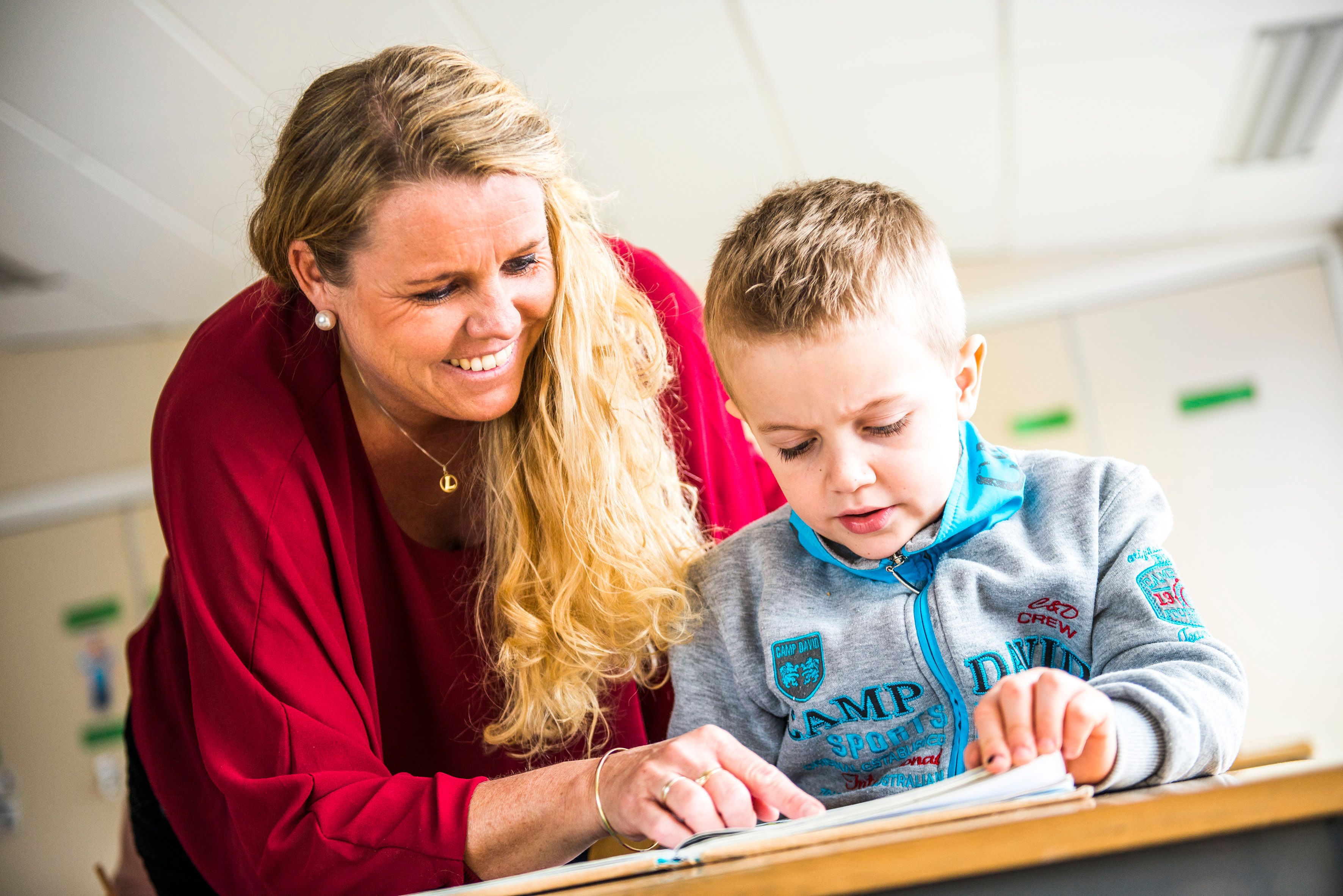
Urolig klasse: Hvordan jobbe med utfordrende atferd i klasserommet?
Hva kan man gjøre for å hjelpe barna som ikke klarer å sitte stille i klasserommet? Selv erfarne lærere opplever at det er elever de ikke når fram til. Hva gjør man når selv den beste pedagogikk ikke er nok?